How Good Protein Increased Their First-Order Subscription Rate by 67%
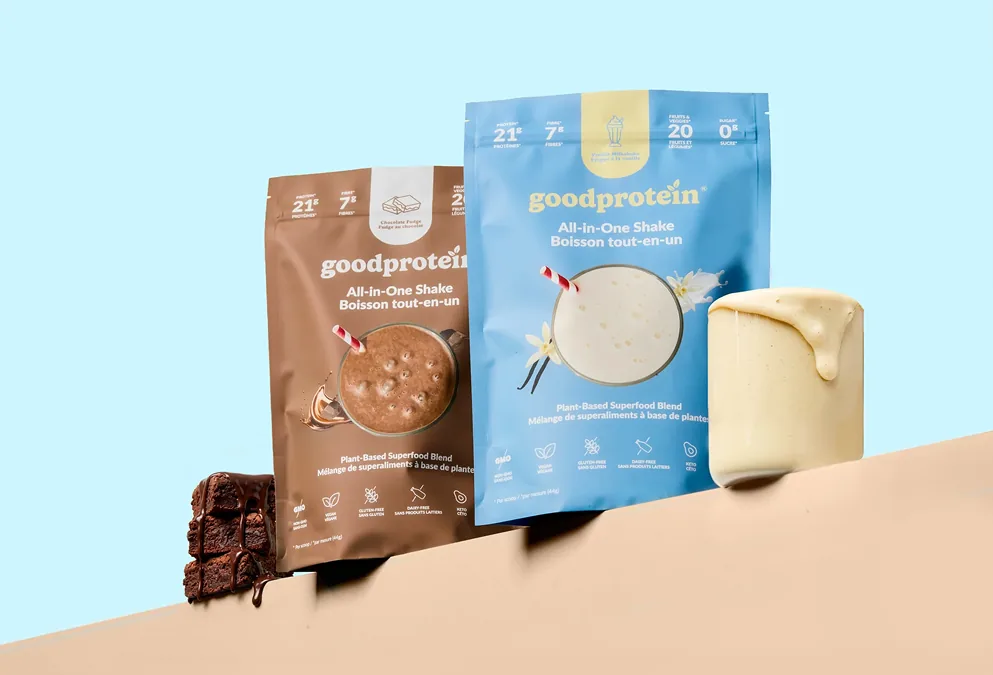
Good Protein is a Canadian vegan protein and superfood brand with a heavy subscription business and a deep flavor catalog. Its hero product, the All-in-One Shake, comes in more than a dozen flavors and drives the majority of sales. When Good Protein came to Platter, the brand was growing fast and running into the limits of how it had been built.
- First-order subscription rate up 67%
- 90% less time on routine content updates

The Background
David Feldman runs the day-to-day on Good Protein’s site, and he describes the team the way a lot of DTC brands would.
“We’re in that hyper growth stage and we want to do everything, while also moving quickly.”
That fast-paced, do-it-all style kept hitting roadblocks because of their store’s framework. It meant that every custom request went through one external developer, and getting anything done meant a slow loop of back-and-forth.
“We had basically one dev externally, and any kind of custom thing we wanted to build, we had to reach out to this person. There was a lot of back and forth. Getting everything that we wanted was very difficult and time consuming.”
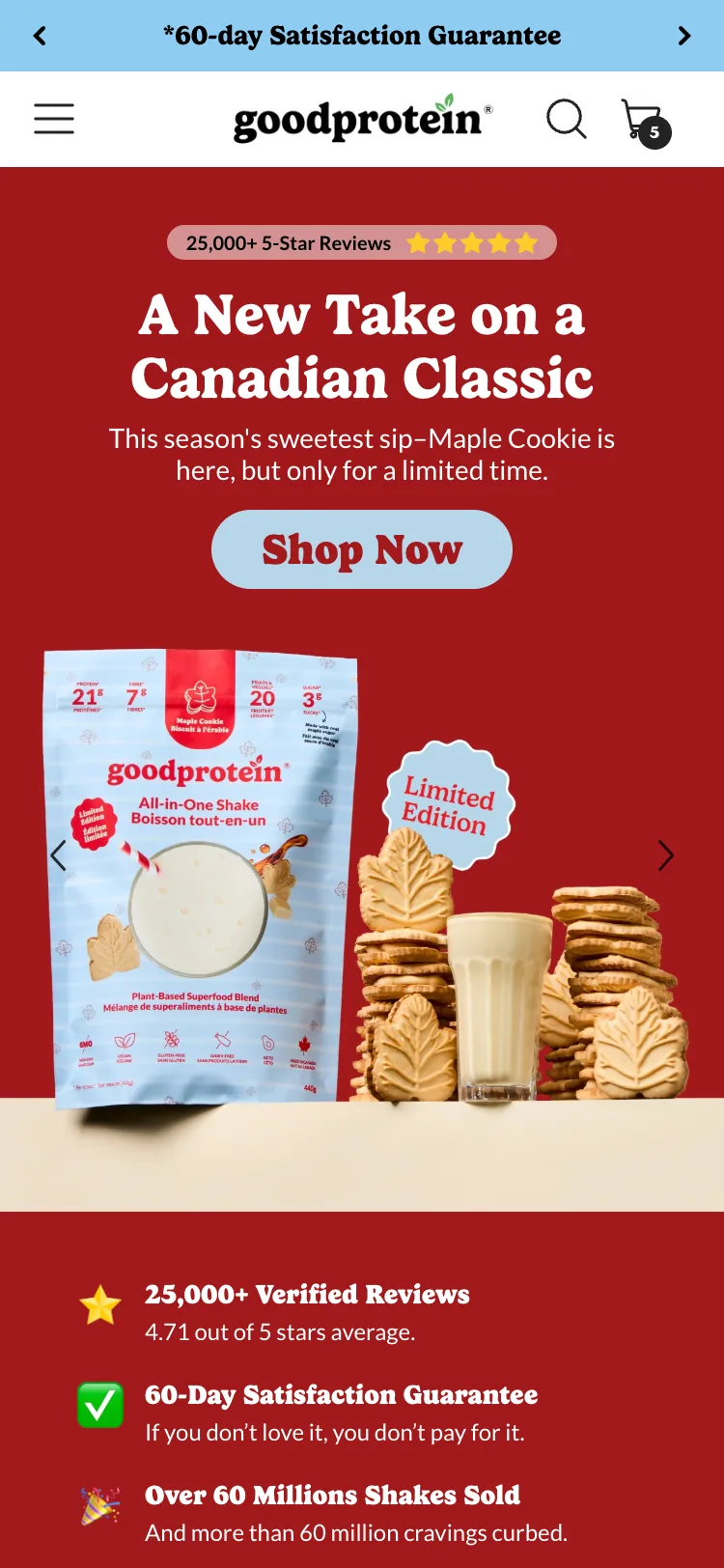
The team had also figured out that landing pages converted better than standard product pages, so they were constantly spinning up new ones for promos and product launches. With one developer and a communication gap, they were limited with how quickly they could move.
Under all of it was a standard Shopify theme with years of code piled on, and no clean way to fix it.
“It was very slow, and we didn’t have the proper in-house code cleanup that we wanted because we were just always building on top of everything.”
The real cost wasn’t speed. It was the inability to make changes quickly. The pages they did prioritize performed well, but the team could feel they were leaving money on the table.
The Challenge
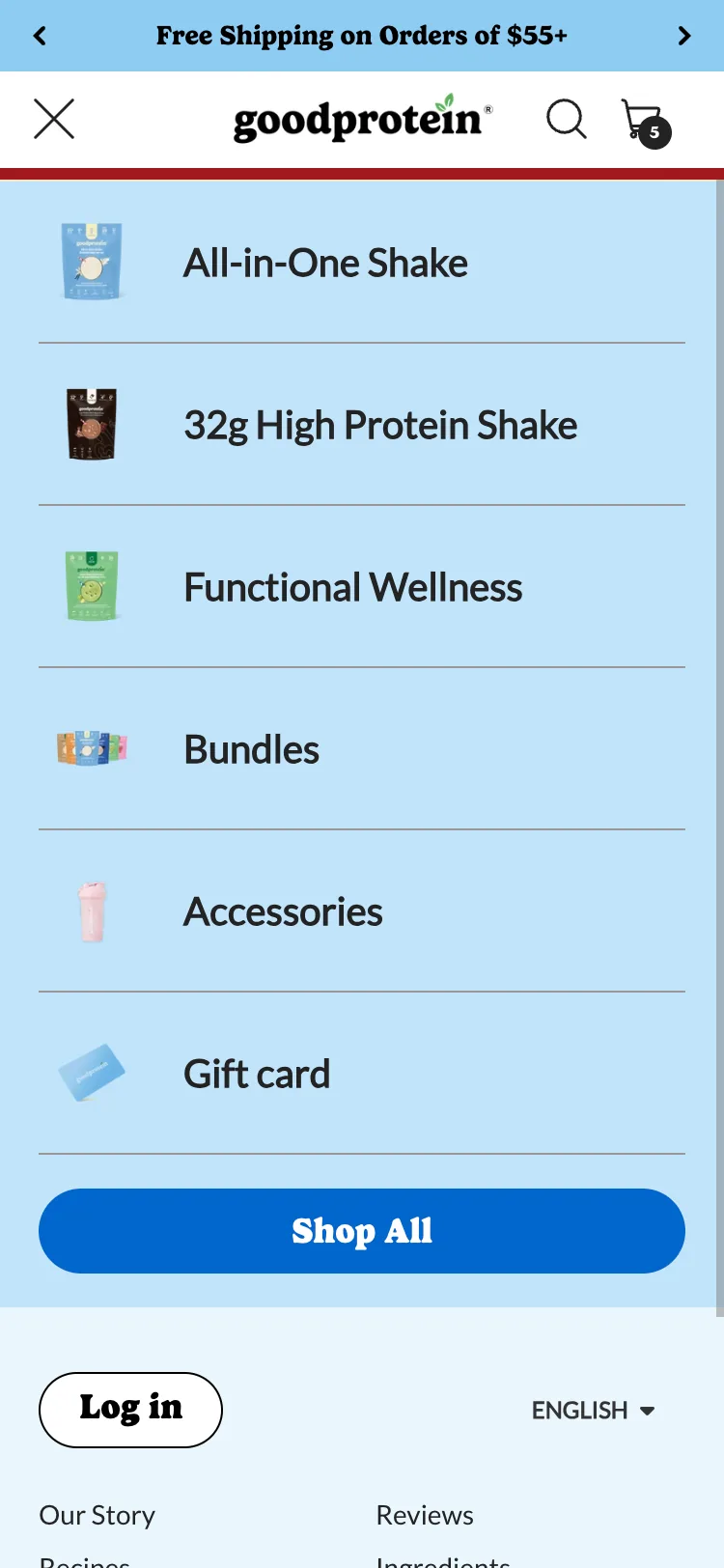
The architecture made routine work expensive and time-consuming. Good Protein ran around 30 SKUs, and every one had its own product template. A single content change had to be made over and over, then translated each time.
“Every single time we wanted to update our review count across all pages, we would have to do that 30 times, and then translate that 30 times.”
For someone whose whole job is keeping the site current, that created a ton of work.
“The process we had in the past was very annoying for someone like me.”
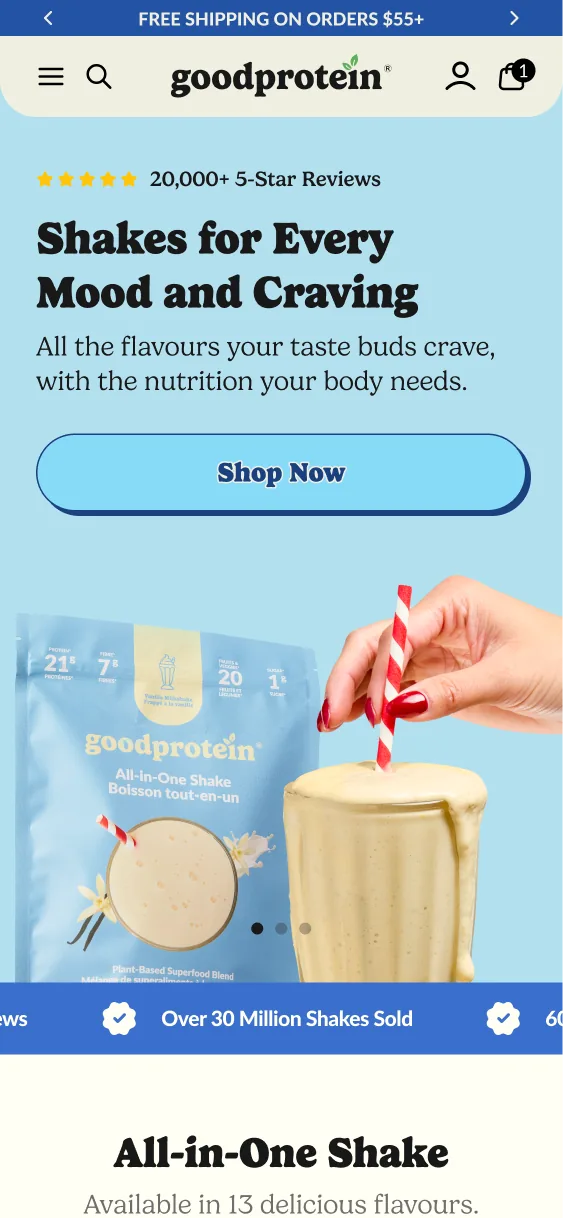
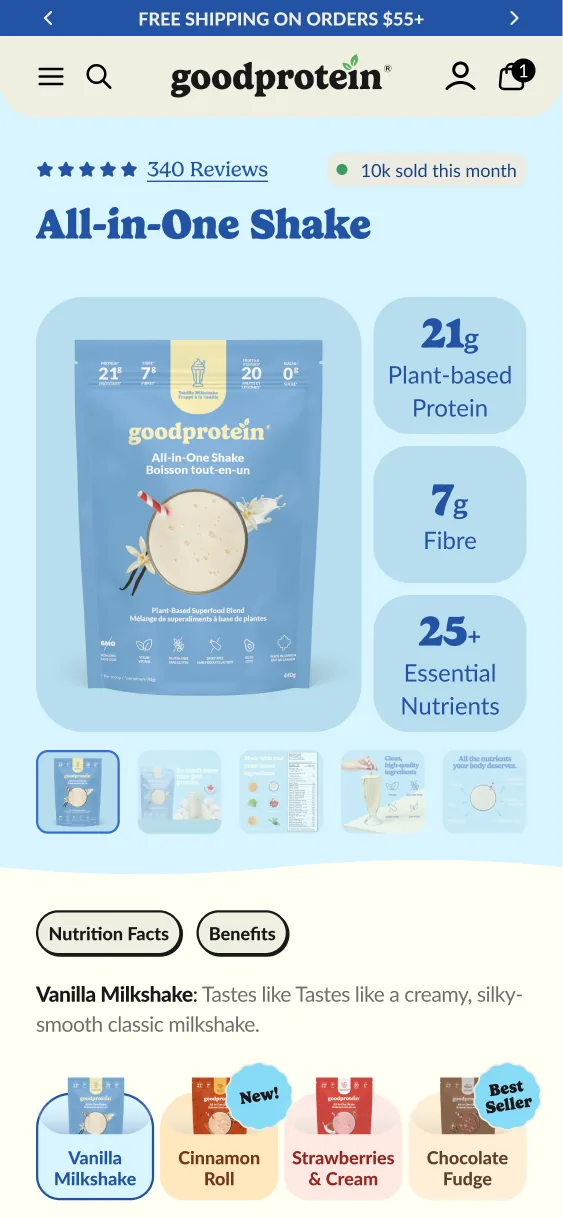
The variety of flavors was the other hurdle. The All-in-One Shake came in more than a dozen flavors, but the old product page hid them behind a dropdown. Customers couldn’t see the range, and switching flavors reloaded the whole page and dropped them back at the top.
Good Protein’s team had done their homework on agencies that could deliver a custom, section-based build, and they were referred to Platter by their contacts at Shopify.
Platter offered exactly what they were after.
“We wanted to move away from having to rely on external dev work for routine changes. We wanted to have built-out sections. It was just very attractive.”
The Work
Platter rebuilt the storefront on our proprietary framework. The goal was a foundation a lean ecommerce team could run and grow on its own, without a developer in the loop for every change.
Three templates instead of thirty
The whole catalog now runs on three product templates, one per collection. Page content is powered by metafields, so edits happen in bulk through a CSV instead of page by page in the customizer.
Flavor-first product pages
The old dropdown is gone. Every flavor now shows on the product page as a visual swatch with its own bag, so the full range is visible at a glance, and each flavor carries its own color scheme that updates the page around it.
Build Your Own Bundle
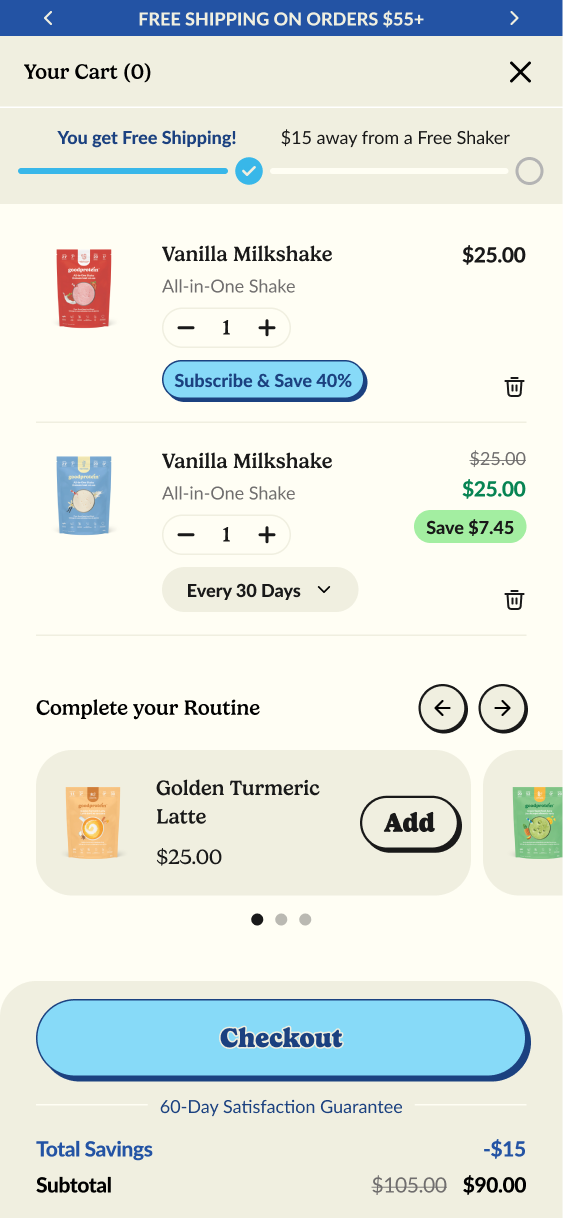
A dedicated bundle page with a gamified widget and threshold discounts, powered by Shopify Functions so the tiered pricing never breaks the subscription logic.
Subscription management built for retention
A custom Loop integration replaces the default pause and cancel buttons with a guided Manage Plan flow that nudges toward rescheduling.
Bilingual by design
A built-in EN/FR toggle for the Canadian market.
“Getting our brand personality to life on the new site, it was just perfect. Our design team worked a lot with your team, and we’re just really happy with how the site looks.”
“You were in the trenches with us. The day prior to the launch and the day of the launch, there was a lot of things happening all at once, and it was all hands on deck. We had a bunch of people from Platter just jumping in. We felt super supported.”

David Feldman
E-commerce & UI/UX Lead
The Results
More new customers are subscribing on their very first order. First-order subscription rate increased by 67% after the new store went live. For a subscription-heavy brand, turning that first purchase into a subscription is a big milestone, and it raises the lifetime value of every new customer.
The other clear win is time. Work that used to take hours now takes minutes. Tasks like updating thereview count across every product page used to be a half-day job.
“Normally that process would probably take two hours, maybe three hours to cover all product pages. Now it could probably take 10 to 15 minutes.”
Same story across the catalog. Because content is driven by metafields, a change that once meant repeating the same edit for every product is now a single bulk update.
“Any change to a product page, I only need to do it three times versus doing it 25 times in the past.”
That time goes straight back into the work that actually grows the business.
“We could get our time back and focus on other, bigger stuff than a content change like that.”
The Build Your Own Bundle page is already having a big impact on performance. So much so, they’re bringing the bundle widget to their best-converting page, one they’d left untouched for years.
“We haven’t made many changes to our restock page in recent years because it’s performed well. And now the team wants to bring that widget over to that page.”
For a page they treat as an evergreen funnel, that’s a real vote of confidence in the new foundation.
Conclusion
When asked what stood out the most from the build, David was quick to highlight the support the team received.
“Flexibility, support, and professionalism. We’re so happy with how it looks.”
And on who benefits most from working with Platter, he pointed straight to people like him who work in the back-end of Shopify every day.
“It’s a big win for ecommerce teams. Having a theme that relies on metafields that are manageable and scalable is important, especially as your catalog begins to grow. It makes their lives easier and makes their day-to-day more efficient.”
The Platter Difference
Before Platter
After Platter
Before Platter
After Platter
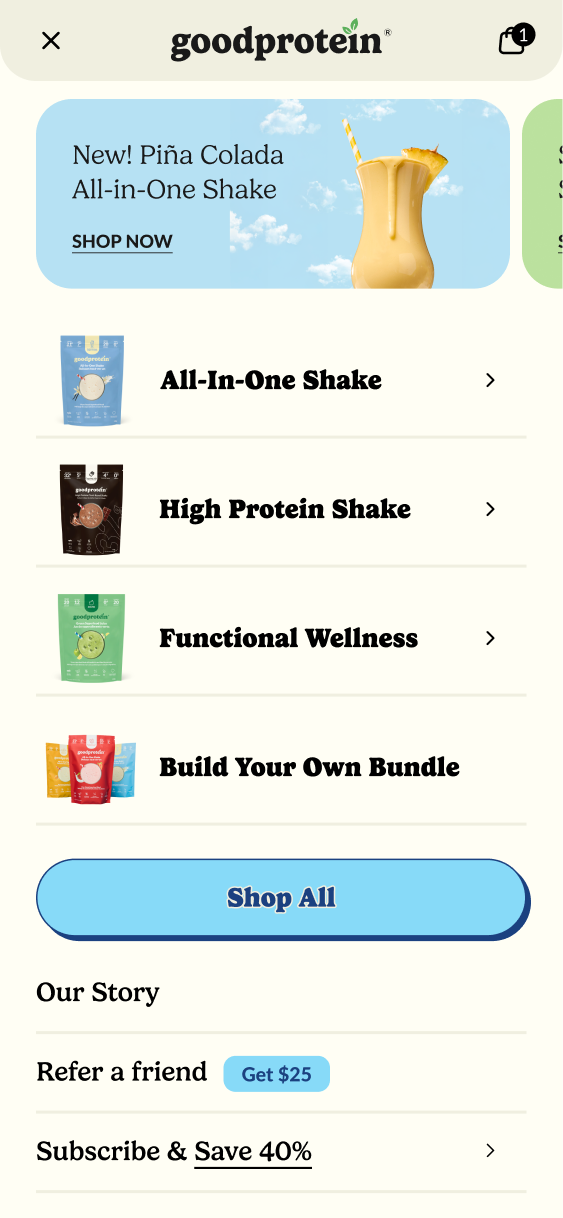
Before Platter
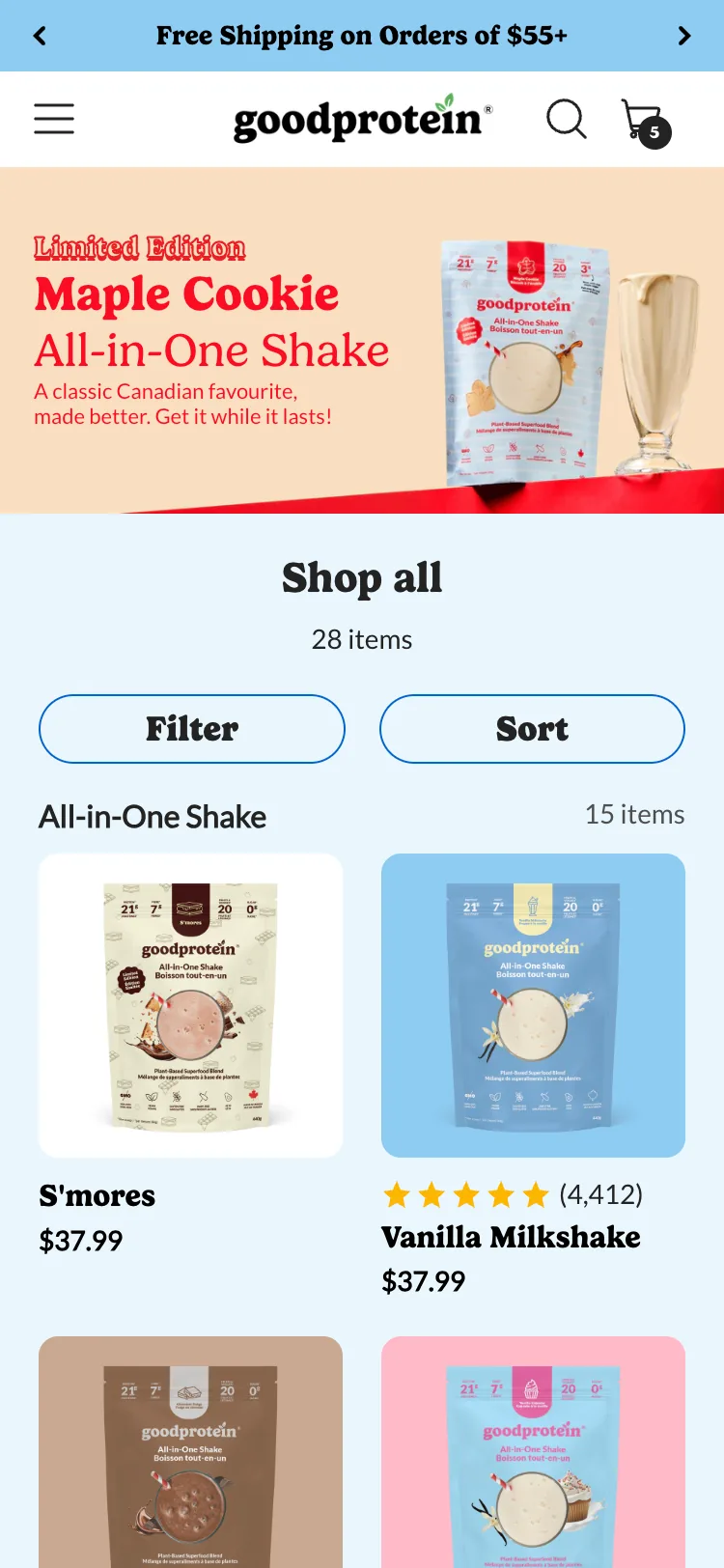
After Platter
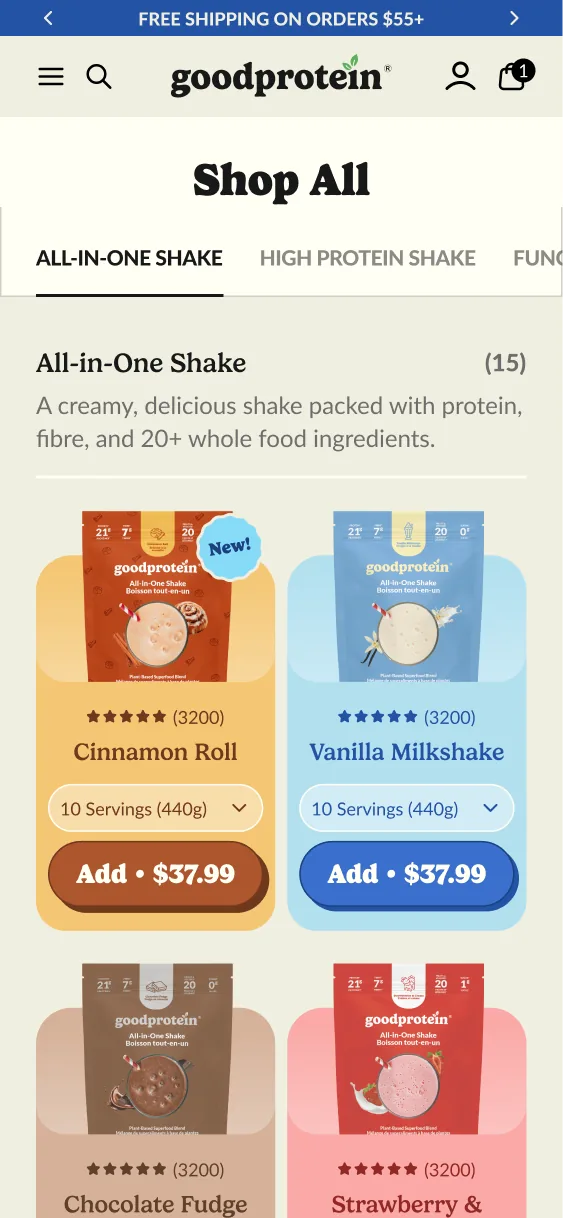
Before Platter
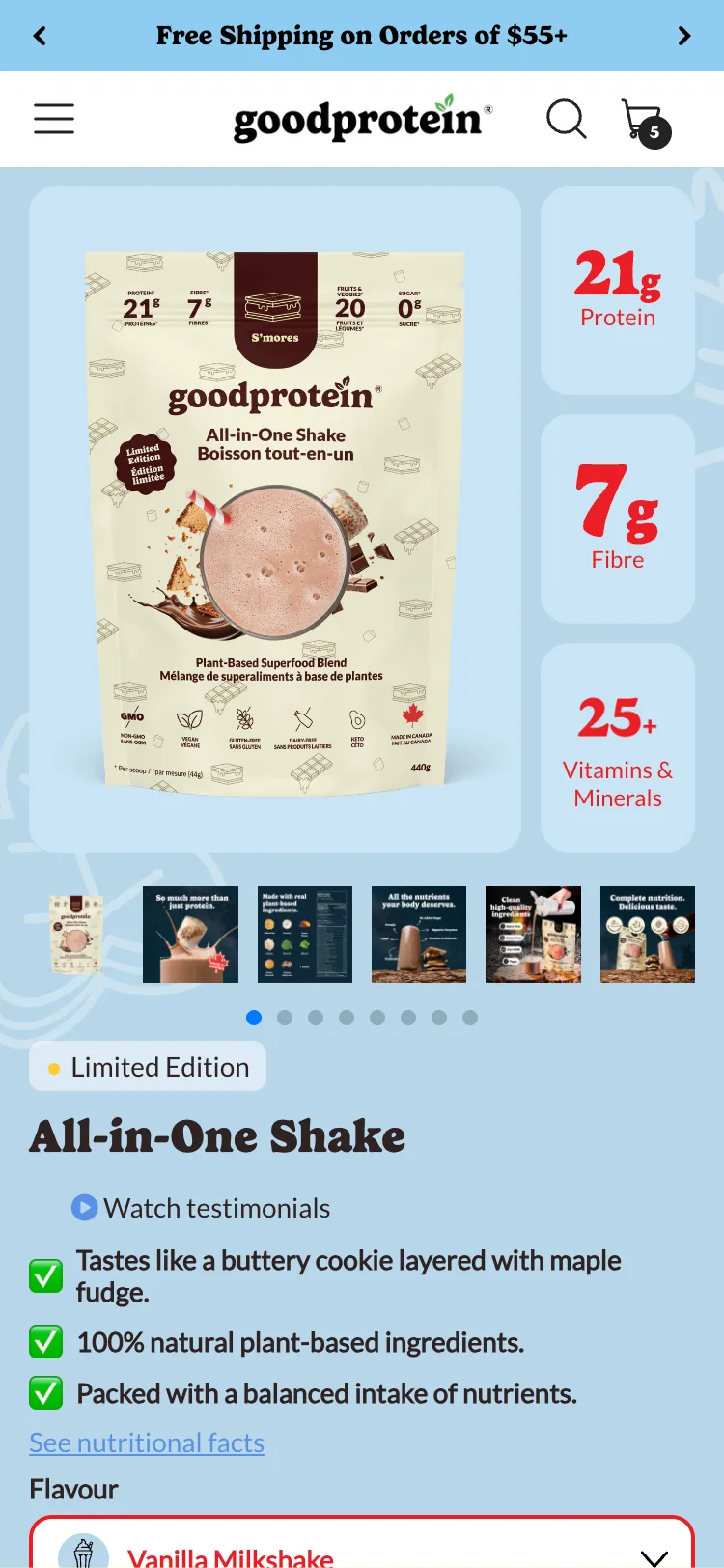
After Platter
Before Platter
After Platter
Before Platter
After Platter














.svg)


.svg)













-1.png)



.svg)
.svg)



